1. Describe what you found
Tell the team about syringes, powders, stains or smells. You do not need to explain why they are there.
Brandywine, MD · Prince George's County
A tenant moved out and left drug use items behind. A relative needs help clearing a room. In Brandywine, call (877) 812-4220 for safe collection, cleaning and disposal.
If anyone is in danger, call 911 first. For a suicide crisis, call or text 988.
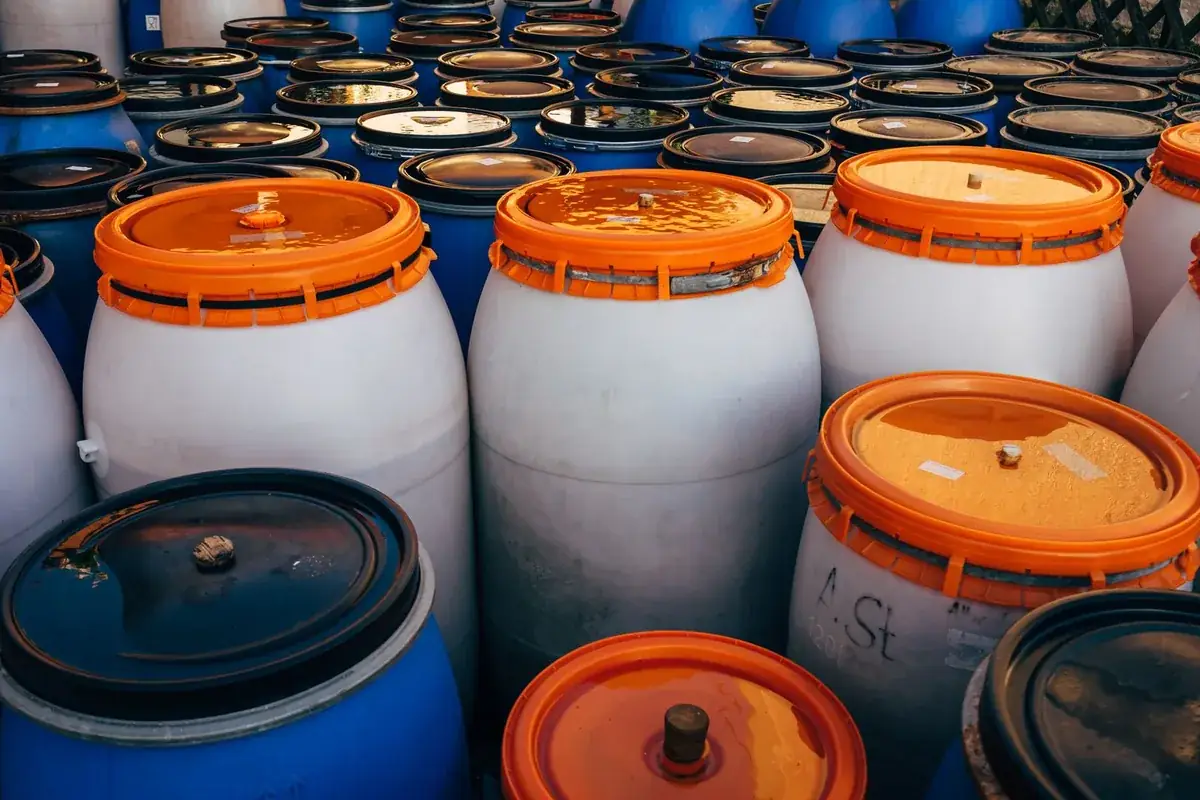
When items from drug use are left behind in a home or business, removal should be done with protective equipment. A cleanup team does the work so owners and families do not risk exposure.
If you are a landlord, property manager or family member in Brandywine facing items left behind after drug use, call Brandywine Biohazard Cleanup Help. The crew is discreet, explains each step and leaves your property clean and checked across Prince George's County.
With about 38% of Prince George's County households renting, a unit left in poor shape after a move-out is a common reason for a cleanup call. After a needle stick or exposure to an unknown substance, get medical care. Medstar Southern Maryland Hospital Center in Clinton is the closest emergency room to Brandywine.
Drug Paraphernalia Cleanup in Brandywine usually includes:
Tell the team about syringes, powders, stains or smells. You do not need to explain why they are there.
Needles and other sharps are lifted and sealed before anything else is moved.
Remaining paraphernalia is removed, and surfaces with residue are cleaned or taken out.
The team removes the waste and shares what was done so the owner can keep it on file.
The cost of drug paraphernalia cleanup in Brandywine, MD depends on the amount of material, how it is packed and how it is hauled.
A site where drugs were manufactured needs testing and a different plan. If that applies, the scope and price are different from standard paraphernalia cleanup.
| Type of job | Typical range |
|---|
Published ranges only (); every drug paraphernalia cleanup job in Brandywine is priced after an on-site look. Price drivers include amount of material, whether residue is present, surfaces affected, waste disposal. Questions? Call (877) 812-4220.
Vehicles can hold syringes, residue and odor in seats, carpets and vents. Ask whether the team cleans vehicles and how soft materials are treated. Crews use the same protective gear and sealed containers as in a building.
A single room can be cleared quickly, while a house with hidden items, soiled carpet and odor takes longer. The time depends on the amount of material and access. A team can give a realistic idea after hearing the details.
The owner of the property usually pays at first. Lease terms and local law decide who is responsible in the end. A landlord, an attorney or a tenant rights group can say. Keep any record the cleanup team gives you, since a landlord or insurer may ask for it.
Standard paraphernalia cleanup is about removal, cleaning and disinfection. Testing is a separate step, usually tied to a site where drugs were made. Ask the team and the local health department what testing, if any, applies to your property.
It can. Powders and stains may stay on floors, furniture, bedding and in vents after the items are gone. That is why a team cleans and disinfects the surfaces and removes soft materials that cannot be cleaned. Ask what the plan covers.
Keep them out of affected rooms until a cleanup team has finished. Children and pets are closest to floors and furniture and are most at risk from residue. If a child or pet touches or swallows something, call Poison Control or a veterinarian.
Stay out of the space and let a cleanup team handle it.
Call (877) 812-4220